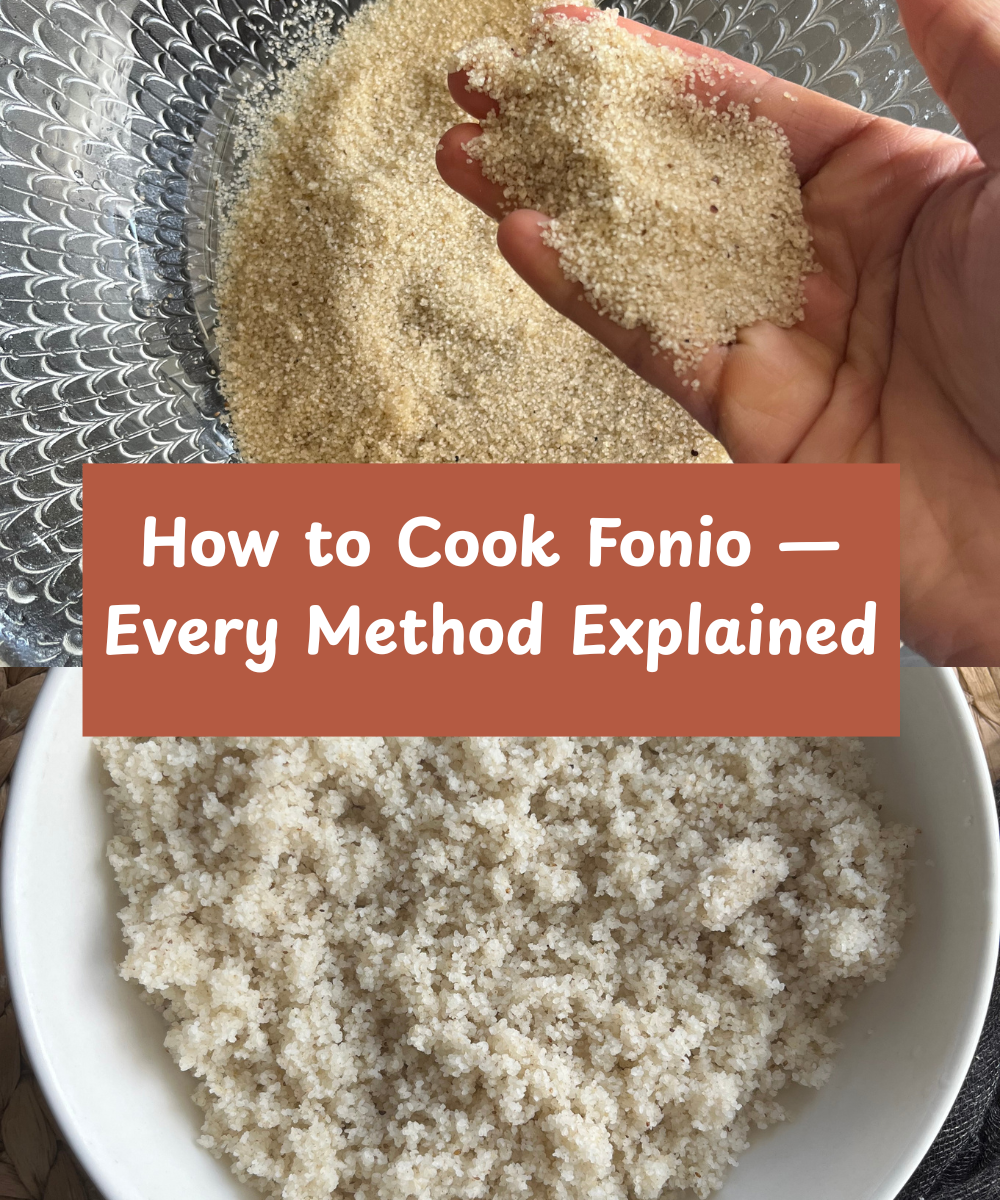
Fonio is honestly one of the easiest grains to cook. Faster than rice, more forgiving than quinoa, and ready in under 10 minutes regardless of which method you use.
That said, there are a few things that go wrong if you don’t know them upfront — too much water and it gets mushy, too little and it stays dry and grainy. I’ve made both mistakes so you don’t have to.
This is the complete guide. Every cooking method, every use case, all in one place. I cook fonio multiple times a week and use different methods depending on what I’m making — here’s exactly how I do each one.
The basics — fonio ratio and timing
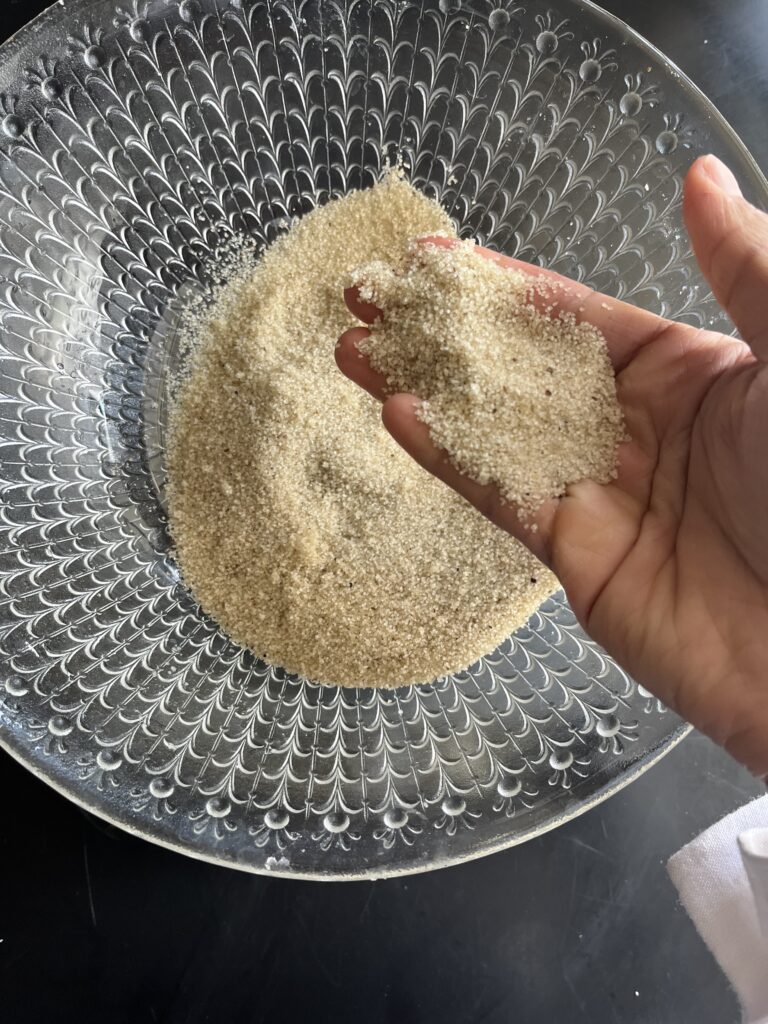
Before getting into specific methods, here’s what stays the same across all of them:
Standard ratio: 1 part fonio to 1.5–2 parts liquid Cooking time: 3 to 7 minutes, depending on method Key step: Always let it rest for 5 minutes after cooking, then fluff with a fork
The resting step is the one most people skip. Don’t. It’s what separates fluffy, separated grains from a sticky clump.
→ Not sure what fonio is yet? Start here: [What is Fonio? Everything You Need to Know]
How to cook fonio on the stove
This is the most reliable method and the one I’d recommend if you’re cooking fonio for the first time.
What you need:
- 1 cup dry fonio
- 1.5 cups water or broth
- Pinch of salt
- Small saucepan with a tight-fitting lid
Instructions:
- Rinse the fonio briefly under cold water — just a quick rinse to remove any dust
- Bring water or broth to a boil in a small saucepan
- Add salt, then add the fonio
- Stir once, reduce to low heat, cover with the lid
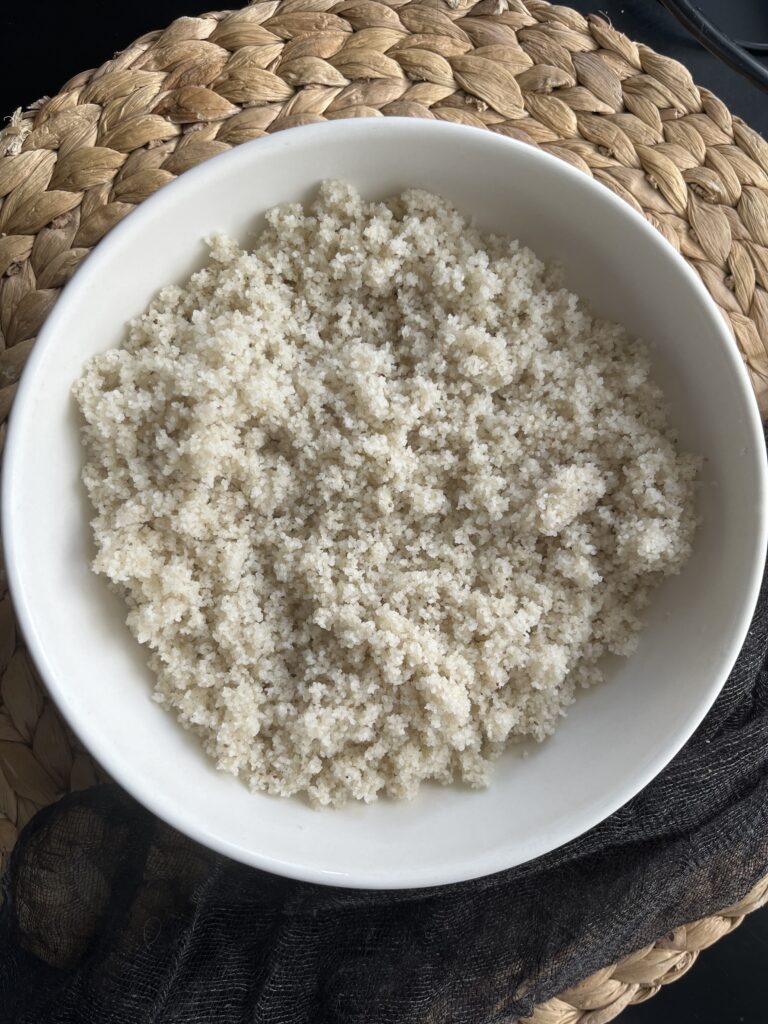
- Cook for 3 to 5 minutes until the liquid is absorbed
- Remove from heat and let rest, covered, for 5 minutes
- Fluff with a fork and serve
Tips:
- Use broth instead of water for savory dishes — it adds a layer of flavor without any extra effort
- Don’t lift the lid while it’s cooking. The steam is what finishes the grain.
- If you’re making a large batch, slightly increase the liquid — more fonio in the pan means it takes slightly longer to absorb
How to cook fonio in the microwave
This is my go-to method for meal prep. One bowl, no monitoring, and I can cook a big batch in one go.
What you need:
- 1 cup dry fonio
- 1.5 cups hot water
- Pinch of salt
- Microwave-safe bowl with a lid or plate to cover
Instructions:
- Rinse the fonio briefly under cold water
- Add the fonio to your microwave-safe bowl and cover with hot water — the hot water starts the process before it even goes in the microwave
- Let it soak for a few minutes in the hot water
- Cover with a lid or plate — not airtight, just resting on top
- Microwave on full power for 5 minutes
- At the halfway mark — around 2.5 minutes — open and give it a quick stir, then cover again and continue
- Once done, let it rest covered for 3 minutes
- Fluff with a fork
Tips:
- The hot water soak before microwaving is the key step — it softens the grain before cooking and gives a more even result
- Every microwave is different — the first time, check at 5 minutes and adjust if needed
- I usually cook a big batch this way on Sunday and keep it in the fridge all week
How to cook fonio in a rice cooker
If you already use a rice cooker for your grains, fonio works perfectly in it. It’s the most hands-off method.
Instructions:
- Rinse the fonio
- Add to the rice cooker with 1.5 cups water per 1 cup fonio
- Add a pinch of salt
- Set to white rice mode
- Let the cycle complete — the cooker will switch to warm automatically
- Let rest on warm for 5 minutes, then fluff and serve
Tips:
- Fonio cooks faster than rice, so it’ll finish well before the full rice cycle. That’s fine — the resting on warm setting actually helps the texture.
- Don’t use the brown rice setting — it’s too long, and the fonio will overcook
How to cook fonio as rice
Fonio works as a direct rice substitute in almost any dish — same role on the plate, but lighter, faster, and more nutritious. Here’s how to approach it specifically as a rice replacement.
The method is the same as stovetop, with two adjustments:
For savory dishes: Cook in chicken or vegetable broth instead of water. Season with a little salt, a drizzle of olive oil, and whatever spices work with your dish — cumin and coriander are good starting points.
For rice-and-stew combinations: Cook the fonio plain, then serve it alongside your stew or sauce the same way you’d serve rice. The fonio absorbs the sauce beautifully — often better than rice does because the grains are finer.
My soy sauce trick: Once the fonio is cooked, I put it in a hot pan with a small drizzle of soy sauce and cook for 2 to 3 minutes until slightly golden. It adds a savory depth that makes it taste like it’s been properly seasoned. I use this for my lunch bowls —
full recipes here: [Fonio Lunch Bowl Recipes]
How to cook fonio for breakfast
For breakfast, you’re making a porridge — which means more liquid and constant stirring.
Quick method with pre-cooked fonio:
- Warm pre-cooked fonio in a saucepan
- Add milk, cinnamon, vanilla, and a pinch of salt
- Stir and cook 3 to 4 minutes until creamy
- Remove from heat, stir in skyr or Greek yogurt
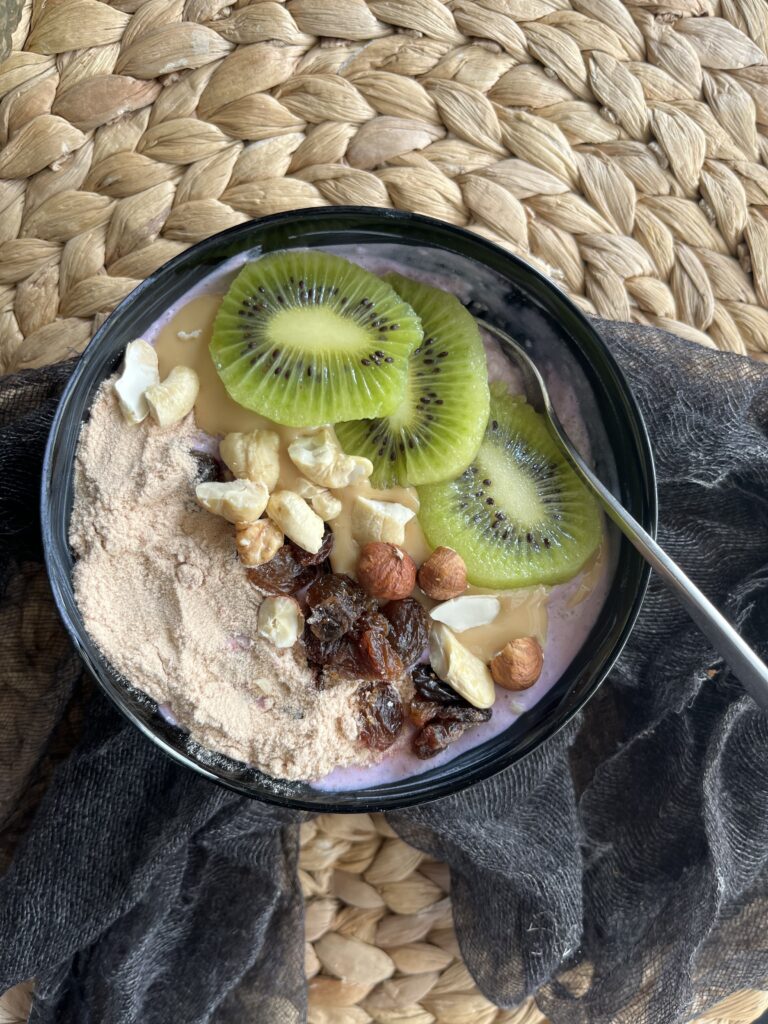
- Top with fruit, nuts, peanut butter, baobab powder
From scratch:
- Toast dry fonio in a dry pan for 3 minutes
- Add water, cook until absorbed
- Add milk and spices, cook 5 to 7 minutes stirring constantly
Full breakfast recipe with toppings guide: [Fonio Breakfast Recipe]
How to cook fonio with vegetables
Two approaches depending on what you’re making:
Option 1 — Cook separately, combine after Cook the fonio using any method above, cook your vegetables separately (roasted, sautéed, or steamed), then combine in a bowl. This gives you the most control over both textures. It’s how I build my lunch bowls.
Option 2 — One pan: Sauté your vegetables in a pan first with onion, garlic, and spices. Add water or broth and bring to a simmer, then stir in dry fonio. Cover and cook 5 minutes until absorbed. This is closer to a jollof-style preparation — all the flavors cook together.
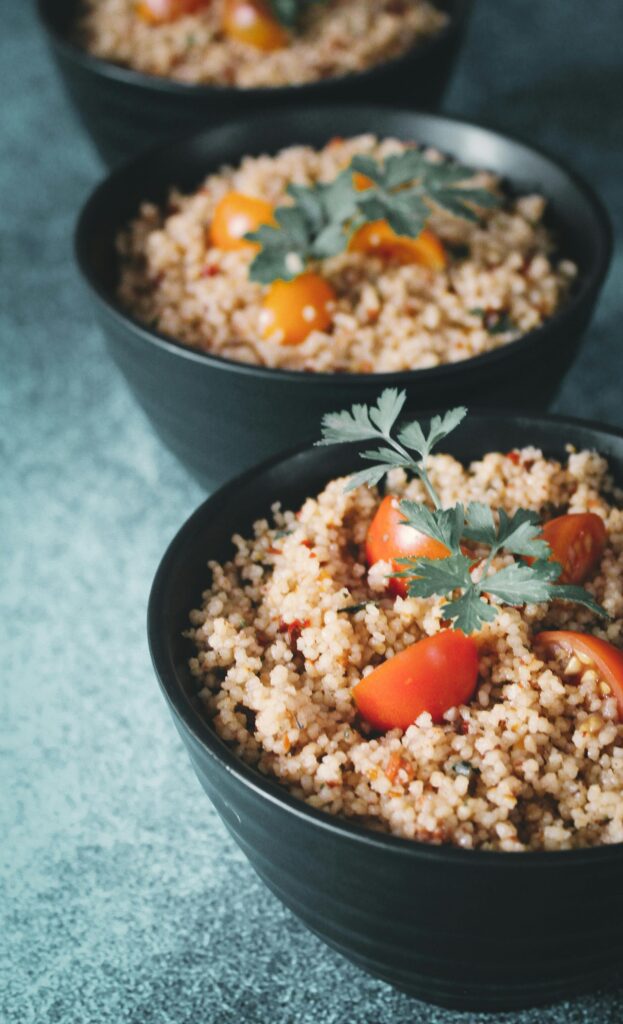
The one-pan method works best with softer vegetables like tomatoes, spinach, or peas. For root vegetables or anything that needs longer cooking, cook separately and combine after.
How to cook fonio porridge
Fonio porridge uses a higher liquid ratio than regular cooked fonio. Instead of 1.5 parts liquid, you want 3 to 4 parts for a creamy result.
Basic ratio: 1 part fonio to 3–4 parts milk or water Cooking time: 5 to 7 minutes on low heat, stirring constantly Key: Constant stirring prevents it from sticking to the bottom
The result should be thick and creamy — thinner than mashed potatoes but thicker than a soup. It thickens further as it cools, so if it seems slightly loose when you take it off the heat, that’s fine.
How long to cook fonio?
Quick answer:
| Method | Time |
|---|---|
| Stovetop | 3–5 minutes + 5 min rest |
| Microwave | 3–4 minutes + 3 min rest |
| Rice cooker | Full white rice cycle |
| Porridge | 5–7 minutes stirring |
| Pan-grilled (soy sauce) | 2–3 minutes |
Fonio is one of the fastest grains you can cook. The total time from start to finish — including resting — is rarely more than 15 minutes even from scratch.
Common mistakes when cooking fonio
The most common one is too much water. Fonio only needs 1.5 parts liquid — more than that, and you get a sticky, mushy result that no amount of fluffing will fix. Start with less and add more if needed next time.
The second one is skipping the resting step. I get it, you’re hungry, but 5 minutes covered off the heat is what separates properly separated grains from a clump. Just leave it alone.
Heat is the third thing people get wrong. Fonio cooks fast on low heat — if you keep it high, the bottom burns while the top is still dry. Once the liquid is in, drop the heat right down and let it do its thing.
And overcooking — because it cooks so fast, it’s easy to just forget about it. Check at 3 minutes. If the water is absorbed, it’s done. Off the heat, lid on, rest. That’s it.
How to store cooked fonio
Cooked fonio keeps in the fridge for up to 4 days in an airtight container — this is what makes it so good for meal prep. Cook once on Sunday, use all week.
To reheat on the stove, add a small splash of water or broth and warm over low heat, stirring occasionally. Ready in 2 minutes. In the microwave, same thing — a splash of water, cover loosely, 1 to 2 minutes, fluff with a fork.
For porridge specifically, add a splash of milk when reheating and stir — it comes back to its original creamy texture like it was just made.
You can also freeze it. Portion into freezer bags or containers and freeze for up to 3 months. Thaw in the fridge overnight and reheat as above. Works perfectly.
Frequently asked questions
How much water do I need to cook fonio? 1.5 cups of water per 1 cup of dry fonio is the standard ratio for fluffy, separated grains. For porridge, increase to 3 to 4 cups of liquid per cup of fonio.
Does fonio need to be soaked before cooking? No — unlike some grains, fonio doesn’t need soaking. A quick rinse is enough. It cooks fast enough without any soaking.
Why is my fonio mushy? Too much water or too much cooking time. Reduce your liquid ratio to 1.5:1 and check at 3 minutes. Remove from heat as soon as the water is absorbed and rest covered.
Can I cook fonio like couscous? Yes — you can steam it like couscous for a lighter, more separated texture. Soak for 10 to 15 minutes, then steam in a colander over simmering water for 8 to 10 minutes. Fluff and season.
Is fonio better than rice nutritionally? On most measures, yes — more fiber, more protein, more calcium, lower glycemic impact. Full comparison in my article → [What is Fonio? Everything You Need to Know]
Can I use fonio in any recipe that calls for couscous? Generally, yes — the texture and cooking time are similar. Use the same liquid ratio as couscous and season the same way. It works in salads, as a side dish, or with stews.
Bottom line
This is my last post in the fonio series — and honestly, I hope by now you’ve had a chance to read the others too, because each one builds on the last. The what, the how, the breakfast, the lunch bowls. Together they give you everything you need to actually start cooking with this grain.
Fonio deserves a real place in our kitchens. It’s been feeding African families for thousands of years, and it’s still flying under the radar in most of our homes. That’s the whole reason I started writing about it — because once I found it, I couldn’t stop using it.
Start simple. Pick one method from this guide, cook a batch, see how it goes. Once you’ve got that down the rest comes naturally.
Thanks so much for reading all the way to the end — it means a lot. Save this post on Pinterest so you can come back to it when you need it, and share it with someone who’s ready to try something new in the kitchen.
→ [What is Fonio? Everything You Need to Know]
→ [Fonio Breakfast Recipe — Creamy Porridge Ready in 10 Minutes]