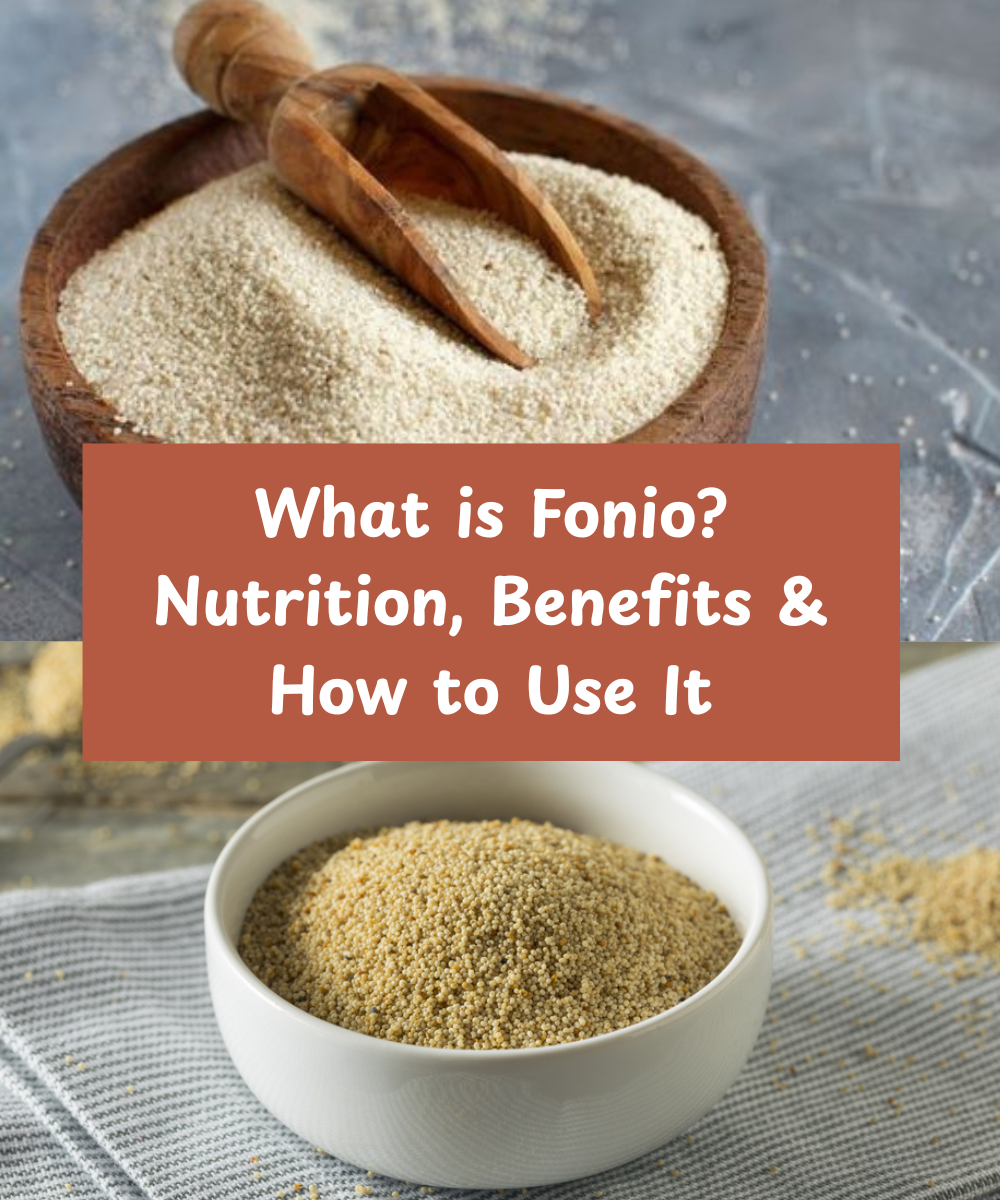
Honestly, growing up in Cameroon, I had never heard of fonio. And that makes sense — it’s a West African grain, not really part of Central African food culture. It wasn’t until I moved to Europe and started actively reconnecting with African food that I stumbled across it.
I was deliberately searching for ingredients from back home, and fonio kept showing up. I tried it, loved it, and it’s been in my kitchen rotation ever since.
That’s exactly why I’m writing this. If I grew up in Africa and still didn’t really know this grain, I can only imagine how many of us in the diaspora have never even heard of it. It’s been around for over 5,000 years, and it’s still flying under the radar. That’s a problem worth fixing. So let’s get into it.
What is fonio grain?
Fonio is a tiny cereal grain from West Africa. In fact, it’s been growing there for over 5,000 years — which means your great-great-great-grandmother probably ate it before anyone ever heard of quinoa.
It’s small — like, really small. Think fine sand, but edible. And it cooks in under 10 minutes, which alone should make it your new best friend on a weeknight.
There are two types you might come across:
- White fonio (Digitaria exilis) — pale, fine, and the one you’ll find in stores. This is the one we’re talking about.
- Black fonio (Digitaria iburua) — slightly bigger and darker, more regional.
When someone says fonio, they almost always mean white fonio. That’s the one.
Is fonio a grain or a seed?
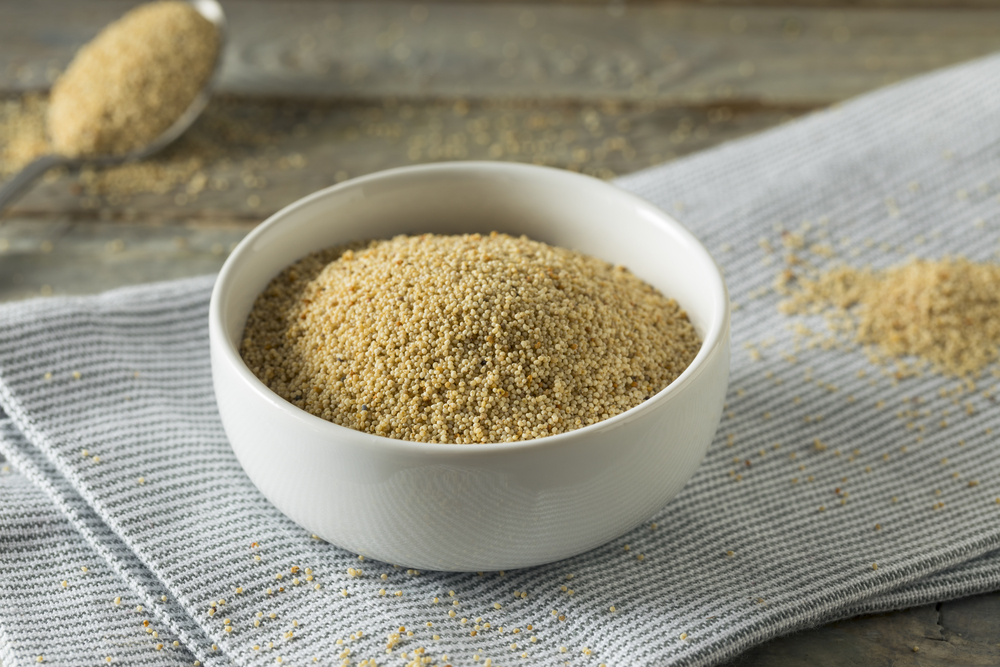
It’s a grain — same family as rice or wheat, just much tinier. People get confused because of the size, however it cooks exactly like any other grain.
What does fonio taste like?
Mild and lightly nutty. It doesn’t have a strong flavor on its own, which is actually a good thing — it takes on whatever you cook it with. Spicy stew? It works. Coconut milk porridge? Also works.
What does fonio look like?
Raw it looks like pale yellow sand. Cooked, however, it puffs up into something light and fluffy, almost like couscous but even more delicate.
Where does fonio come from?
Is fonio from Africa?
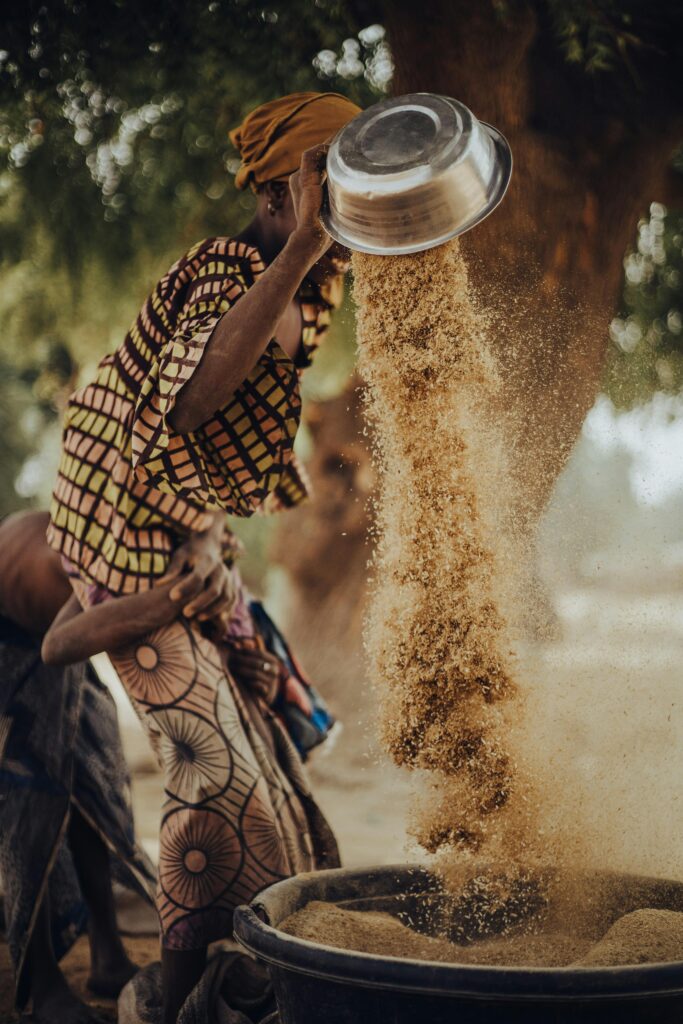
Yes — West Africa specifically. It grows naturally in the Sahel, from Senegal all the way to Chad, in dry, sandy soils where many other crops wouldn’t survive. As a result of this resilience, farmers have relied on it for centuries. It matures in just 6 to 10 weeks, faster than almost any other grain.
Which countries eat fonio?
This ancient grain is most commonly eaten across West Africa — Senegal, Guinea, Mali, Burkina Faso, Nigeria. In a lot of these countries, it’s not just everyday food. In fact, it shows up at weddings, naming ceremonies, and harvest celebrations. It carries real cultural weight.
Cameroon? Not really fonio territory — and as I mentioned, I’m living proof of that. I grew up there and had genuinely never heard of it. Central Africa has its own staples, and this grain just wasn’t part of that world.
Fonio nutrition facts: calories, protein, and fiber
Here’s what you’re actually getting. The table below is for raw fonio per 100g — this is the standard way nutrition is measured for grains, before water is absorbed during cooking.
| Nutrient | Per 100g raw |
|---|---|
| Calories | ~360 kcal |
| Carbohydrates | 72–81g |
| Protein | 8–12g |
| Fat | 1–3g |
| Fiber | 2–7g |
| Calcium | Higher than most grains |
| Magnesium | Good source |
| Zinc | Good source |
Once cooked, a 100g serving drops to around 110–120 kcal because of all the water absorbed. So your actual portion on the plate is much lighter than these raw numbers suggest.
Quick note: the less processed it is, the more minerals you keep. Go as close to whole grain as you can find.
Is fonio high in protein?
For a grain, yes — 8 to 12g per 100g raw is solid. However, what’s actually interesting is which proteins it has. This cereal is high in methionine and cysteine, two amino acids that rice and corn barely have. This matters especially if you eat mostly plant-based foods, because pairing it with legumes gives you a much more complete protein in one meal. That said, think of it as your smartest carb option, not your protein source.
Is fonio high in fiber?
Yes, more than white rice for sure. Between 2 and 7g per 100g depending on the variety and processing. As a result, it keeps you fuller longer and your gut happier. Less processed = more fiber.
Fonio health benefits — what does it actually do for your body?
No grain is going to transform your health on its own. However, this one genuinely earns its spot as a better everyday carb. Here’s why it actually matters in practice:
It doesn’t spike your blood sugar the way white rice does. The fiber and complex carbs slow things down, which means steady energy instead of a crash an hour later. If you’ve ever eaten a big plate of white rice and felt tired and hungry again way too fast — that’s why. This grain doesn’t do that.
It’s got calcium. More than most grains, actually. For us as Black women — dairy isn’t always the go-to, so getting calcium from food sources matters. Dark leafy greens, beans, and yes, fonio — these add up.
It pairs perfectly with legumes. Because of those amino acids, fonio + beans or fonio + lentils = a much more complete protein on your plate. That’s just good everyday nutrition, not complicated at all.
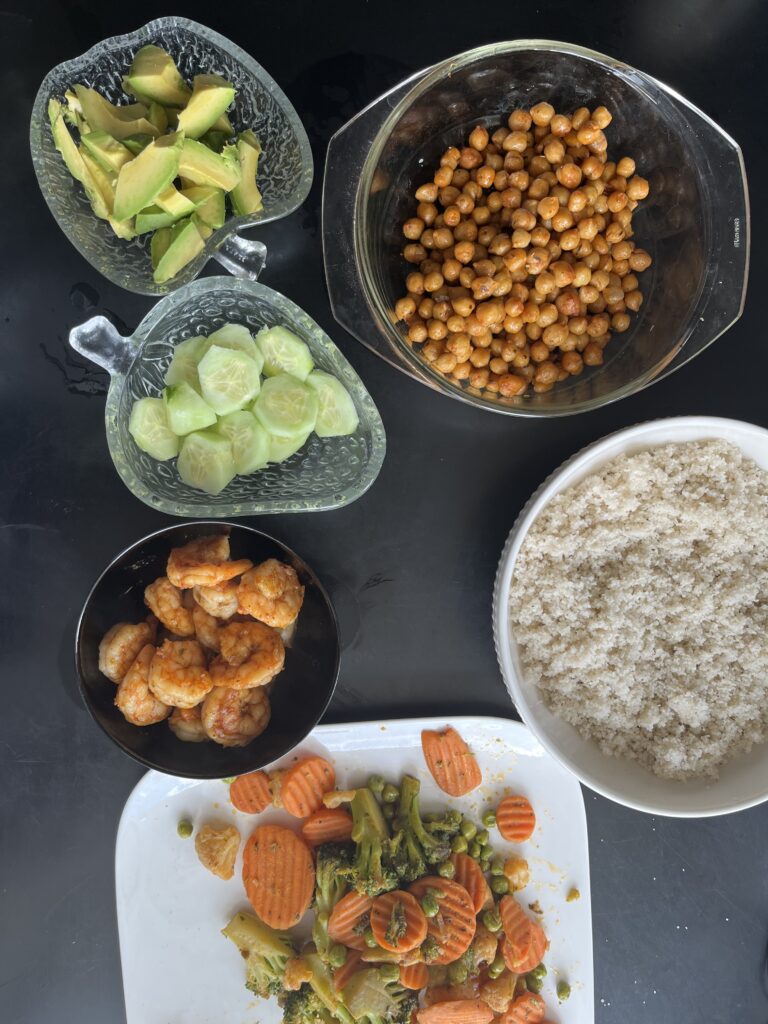
Personally, I started by simply replacing rice with this grain in my regular meals. And honestly that one swap changed a lot. Same comfort, same versatility — but I noticed pretty quickly that I felt lighter after eating. Way more digestible, no heaviness, no bloating. That alone was enough for me to keep it in the rotation.
Is fonio good for weight loss?
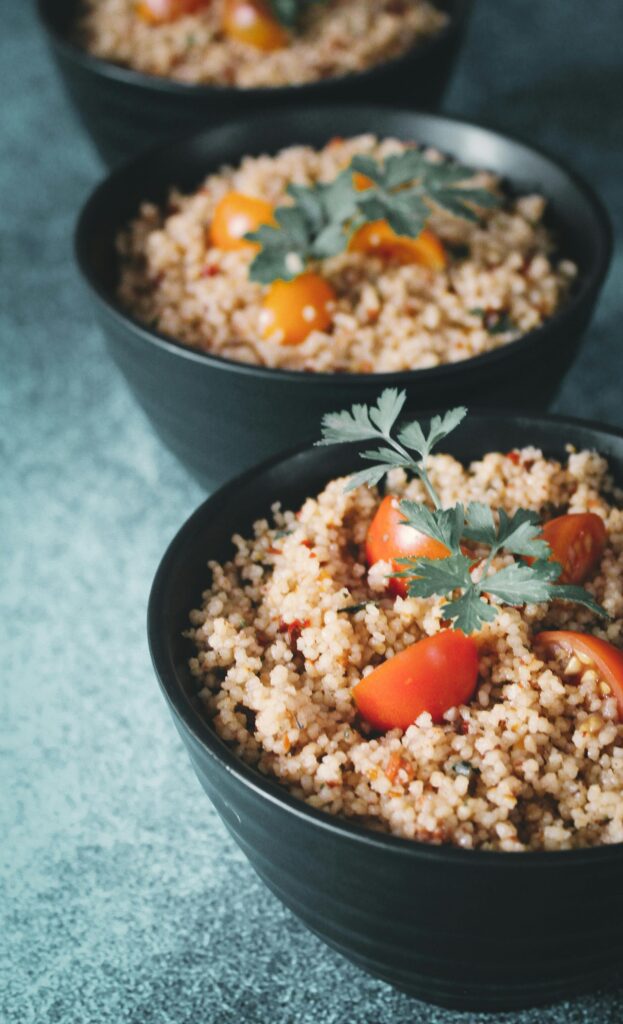
It can help, yes. It fills you up without loading you with calories, and because blood sugar stays stable you get fewer cravings later. However, the same rules apply as with anything else — portion size matters, and what you eat it with matters. This grain with grilled chicken and vegetables hits different than drowning it in oil with nothing else on the plate.
Is fonio good for diabetics?
It’s a better choice than white rice or white bread, for sure. The fiber and complex carbs give it a lower glycemic impact. That said, everyone’s body is different — if you’re managing diabetes, track how it specifically affects your numbers rather than assuming any swap is automatically safe.
Is fonio good for digestion?
Yes, and it’s gentle about it. The fiber supports gut function without causing the bloating some high-fiber foods can trigger. In fact, a lot of people who switch from white rice notice they feel lighter after meals. Not a miracle — just what fiber does when it’s actually present in your food.
Is fonio gluten free?
Yes, completely. This grain has nothing to do with wheat, barley, or rye — it’s a totally different cereal family. No gluten at all.
However, if you have celiac disease or gluten sensitivity, double-check that the brand you’re buying is processed in a gluten-free facility, because cross-contamination can happen during packaging.
Fonio vs rice: which is healthier?
On almost every metric, fonio wins.
| Fonio | White rice | |
|---|---|---|
| Glycemic impact | Lower | Higher |
| Fiber | 2–7g | ~0.4g |
| Protein | 8–12g (raw) | ~2.7g (raw) |
| Calcium | Solid | Negligible |
| Gluten free | Yes | Yes |
| Cooking time | 5–10 min | 15–20 min |
White rice is essentially a blank starch — it fills you up in the moment but doesn’t bring much else. This ancient grain, however, gives you the same versatility with actual nutritional value behind it. If rice is your daily base, swapping to fonio even a few times a week is one of the easiest upgrades you can make.
Fonio vs quinoa
Quinoa gets a lot of hype and some of it is deserved — it’s got a strong protein profile. However, fonio has more of those sulfur amino acids quinoa lacks, cooks faster, has a lighter texture, and is more affordable when sourced locally. They’re different — quinoa is chewier and nuttier, this grain is more delicate. Both are worth keeping around.
Fonio vs millet
These two are the closest cousins. Both small, mild, gluten-free. The main difference: millet holds its shape and is sturdier, while fonio is lighter, fluffier and faster to cook. This cereal also tends to have more calcium. If you want something quick and delicate, go fonio. If you want something with more body, go millet.
Fonio side effects: is it safe to eat every day?
Yes. This grain has been a daily staple in West Africa for thousands of years — there’s nothing unusual or risky about eating it regularly.
Two small things to keep in mind: like most grains, it contains phytates, which can slightly reduce how much iron and zinc your body absorbs. However, cooking it properly reduces this significantly — not a big deal in practice. And if you’re new to it, start with normal portions and see how your body responds. Most people have zero issues.
That’s genuinely it. Eat it freely.
Where to buy fonio grain
Can you find fonio in regular grocery stores?
It depends where you are. In West Africa — yes, local markets carry it easily. In Europe and North America, however, it’s growing fast: health food stores, African grocery shops, and some specialty supermarkets now carry it.
Best fonio brands to buy online
Yolélé Foods is probably the most accessible brand if you’re in North America or Europe — they’ve done a lot to bring this West African grain to wider markets. Beyond that, check Amazon, Whole Foods, or local African grocery stores which often have it in bulk at better prices than specialty brands.
Personally, I buy mine at the Afro shop in my city — and when I visit France, literally every Afro shop carries it. You can’t miss it. If you have an African grocery store near you, just go there first. It’ll be cheaper, and you’ll find it faster than searching online.
How to cook fonio
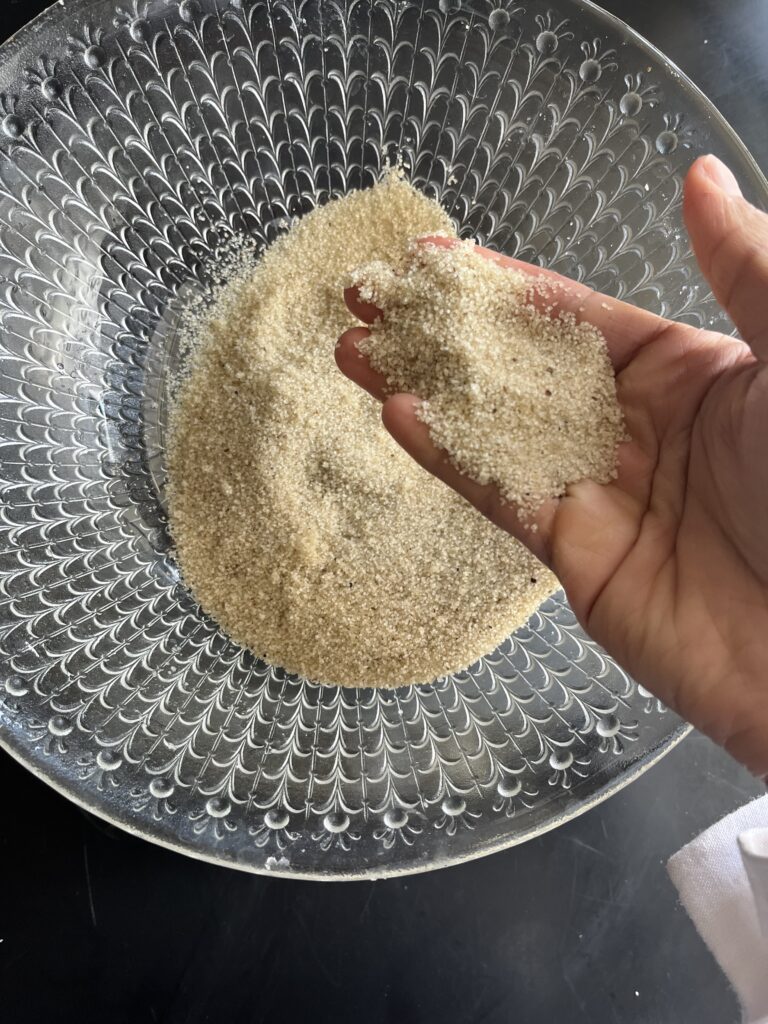
Short version: rinse it, boil 1.5 to 2 parts water, add the grain, cover and simmer 3 to 5 minutes, rest 5 minutes, fluff with a fork. Done. Faster than pasta.
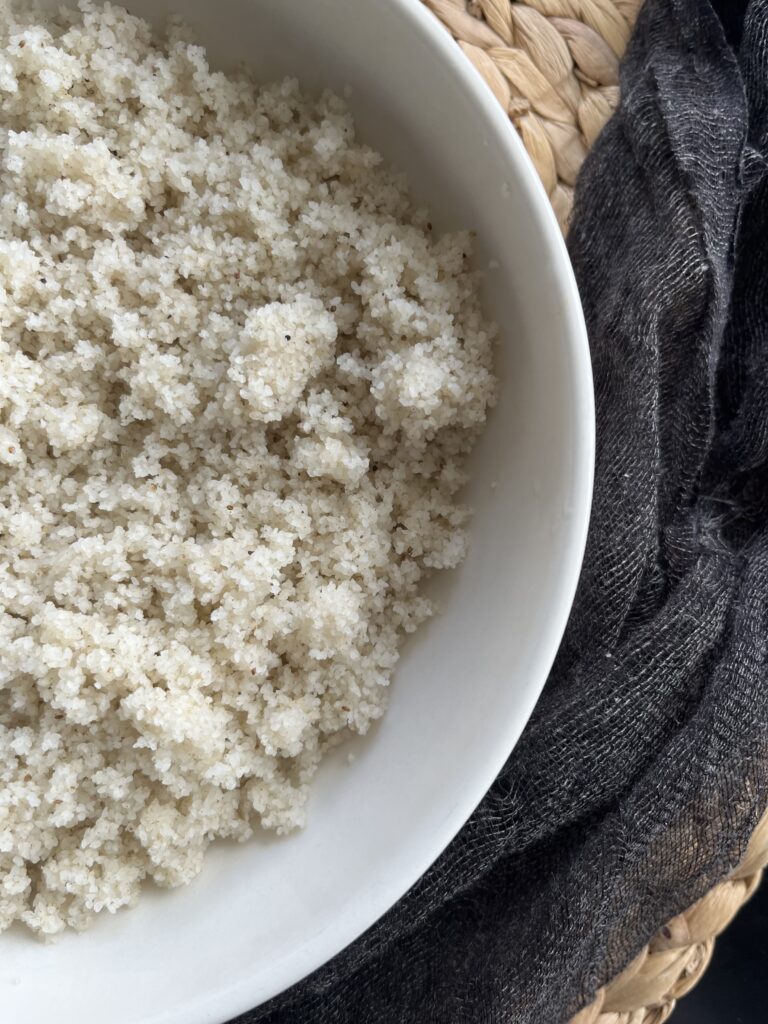
Honestly I even cook mine in the microwave sometimes — that’s how low-maintenance this cereal is. If I can make it work in a microwave, you have no excuse not to try it.
For the full guide with every method — stovetop, microwave, steamed — it’s all in my next post: [How to Cook Fonio — Every Method Explained]
And if you want to see exactly how I use it in real meals: → [My Fonio Breakfast Recipe] → [My Fonio Lunch Bowl]
Frequently asked questions about fonio
What is fonio in English? There’s no standard English name — it’s just called fonio. You might see “hungry rice” on older references, however most people have moved away from that term. In Nigeria it’s sometimes called acha or iburu.
Is fonio the same as couscous? No. Couscous is made from semolina wheat, whereas fonio is its own grain entirely. They look similar cooked and have a comparable texture — but this grain is gluten-free and nutritionally completely different.
Is fonio safe during pregnancy? Generally yes — it’s a whole food grain with calcium, magnesium, and iron, all of which matter during pregnancy. That said, always check with your doctor or midwife for your specific situation.
How do you pronounce fonio? FOH-nee-oh. Three syllables. You’ll hear FOH-nyoh sometimes too — both are used depending on region.
Bottom line
This grain has been around for over 5,000 years. It fed generations of our grandmothers before anyone put a fancy label on it and sold it as a superfood. It’s ours.
It’s fast to cook, genuinely nutritious, and versatile enough to work in everything from breakfast porridge to a lunch bowl to a side dish with your favorite stew.
If you want to start somewhere, here’s exactly what I’d do in your place: replace your rice with fonio just once this week. That’s it. No big overhaul, no complicated recipe. Just that one swap. See how you feel after.
Thanks so much for reading all the way to the end — it genuinely means a lot. If this was helpful, save this post on Pinterest so you can come back to it later, or share it with a friend who needs to know about this grain too.
And if you want to go deeper, here’s everything I’ve written on fonio: