If you’ve been wondering how to lose belly fat with African food — without giving up everything you love — I’m here to tell you: yes, you absolutely can.
I used to feel really self-conscious about my belly. I tried a lot of things — and eventually lost 13 kg, including belly fat, without giving up a single African dish. What I figured out is that traditional African food isn’t the problem. These meals are built on whole ingredients, fiber-rich staples, and natural proteins. The issue is usually portions, cooking methods, and balance — not the food itself.
In this guide, you’ll learn:
- Which African foods for weight loss actually work
- How to build a healthy African diet plan
- A simple African meal plan for weight loss you can start today
Can African Food Help You Lose Belly Fat?
Short answer: yes — when it’s balanced right.
Fat loss comes down to one core principle: being in a calorie deficit, meaning you eat slightly fewer calories than your body burns. But food quality matters just as much.
Here’s what most people overlook: traditional African food is not ultra-processed. It’s naturally rich in fiber, vitamins, and minerals. When you balance your meals well, you can create a calorie deficit without obsessively counting anything. That’s the real power of a healthy African diet.
Foods like beans, leafy greens, and grilled fish are high in fiber, stabilize blood sugar, and keep you full longer — making it easier to eat less without feeling deprived.
👉 The problem isn’t the food. It’s how we eat it.
Why You’re Not Losing Belly Fat (Even with African Food)
If you’ve been eating African food but not seeing results, here are the most common reasons:
❌ Too many carbs (fufu, rice, garri)
Carbs aren’t the enemy — but large portions add up fast. A huge plate of fufu or rice can blow your calorie budget before you even finish the meal.
❌ Too much oil
A lot of African cooking relies on oil — and sometimes more than necessary, especially with fried dishes. It’s worth being mindful of how much you’re actually using.
❌ Not enough protein
Low-protein meals don’t keep you full, which leads to snacking and overeating later. Protein also helps preserve muscle during fat loss, which supports your metabolism.
❌ Hidden calories
This one sneaks up on people. I noticed that a lot of Afro drinks — like sweetened zobo or bottled juices — are loaded with sugar. Add fried plantains and heavy sauces on top, and the calories stack up fast without you realizing it.
Best African Foods for Weight Loss
You don’t need to reinvent your diet. There are plenty of traditional African foods with a solid nutritional profile for weight loss — you just need to know which ones to lean on.
🥗 Protein-Rich Foods
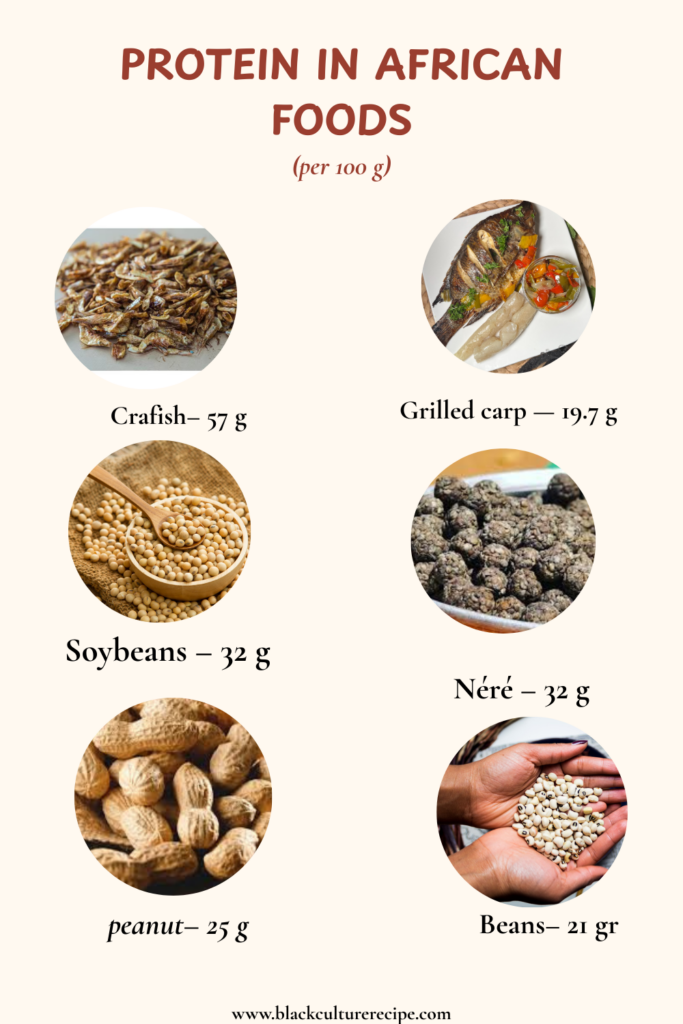
Protein is non-negotiable when you’re trying to lose belly fat. It preserves lean muscle, keeps you full, and raises the energy cost of digestion — meaning your body burns more calories just processing it.
Great animal protein sources from African cuisine: tilapia, mackerel, free-range chicken, and lean goat meat. These work beautifully in stews or grilled with spices.
Plant proteins are just as powerful: fermented soy (dawadawa), chickpeas, and groundnuts deliver solid protein and pair well with grains to form complete amino acid profiles.
Aim for 20–30g of protein per main meal to stay full and support muscle maintenance. Eggs and low-fat yogurt are easy, convenient additions — perfect for breakfast bowls or snacks.
👉 Want the full breakdown? Check out my article: 20 African Foods High in Protein You Should Know
🌿 Low-Calorie African Foods
These add real volume to your plate without a lot of calories — meaning you can eat a satisfying amount and still stay in a deficit:
- Okra
- Spinach
- Cabbage
- African leafy greens (amaranth, kale, bitter leaf)
These are some of the most underrated low calorie African foods out there. Use them generously in soups, stews, and salads.
🌾 Fiber-Rich Staples
Fiber is your best friend for controlling hunger. It slows digestion, keeps you full longer, and helps stabilize blood sugar after meals.
Swap refined grains for sorghum, millet, teff, or brown fonio. These whole grains reduce post-meal blood sugar spikes and support gut health.
Legumes like black-eyed peas, cowpeas, and lentils are excellent too — high in fiber and resistant starch, they extend satiety when added to stews, salads, or as sides.
🥑 Healthy Fats (Yes, You Need Them)
A lot of people think dietary fat causes belly fat. It’s more nuanced than that. Your body needs healthy fats — and African cuisine has great sources.
Red palm oil and groundnut oil both provide flavor and satiety. Just watch portions since they’re calorie-dense. Avocado, sesame, and small amounts of groundnuts are great additions to salads and sauces.
Pairing fats with fiber and protein slows carbohydrate absorption and keeps you fuller for longer.
🍌 Smart Carbs (in Moderation)
You don’t need to cut carbs — just be smart about them. Boiled plantain and yam are solid options that give you energy without spiking blood sugar as much as refined alternatives.
👉 The goal isn’t zero carbs. It’s right-sized carbs.
How to Build a Healthy African Diet Plan for Belly Fat Loss
One of the simplest frameworks you can follow is the plate method:
- ½ plate → vegetables
- ¼ plate → protein
- ¼ plate → carbs
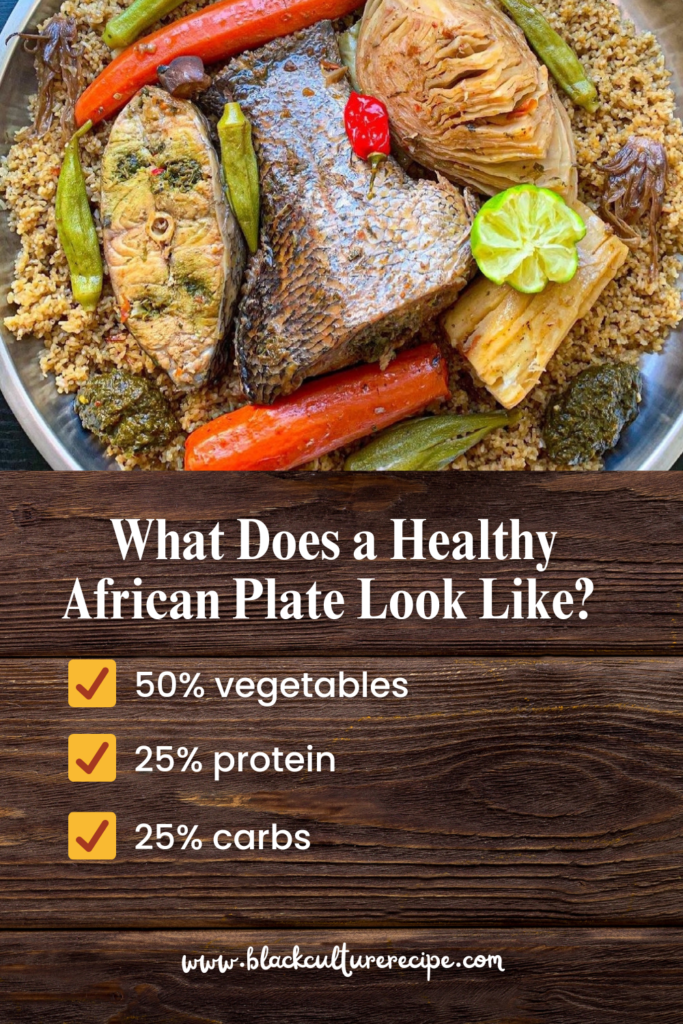
If that feels like too much at first, just aim for thirds — equal parts veggies, protein, and carbs. Even just plating your food separately (protein on one side, carbs on another, vegetables filling the rest) is a solid starting point.
That’s actually how I started. No measuring, no calorie counting — I just made sure each part of my plate was represented. It naturally cuts calories, improves satiety, and keeps energy steady throughout the day.
Smart Cooking Techniques
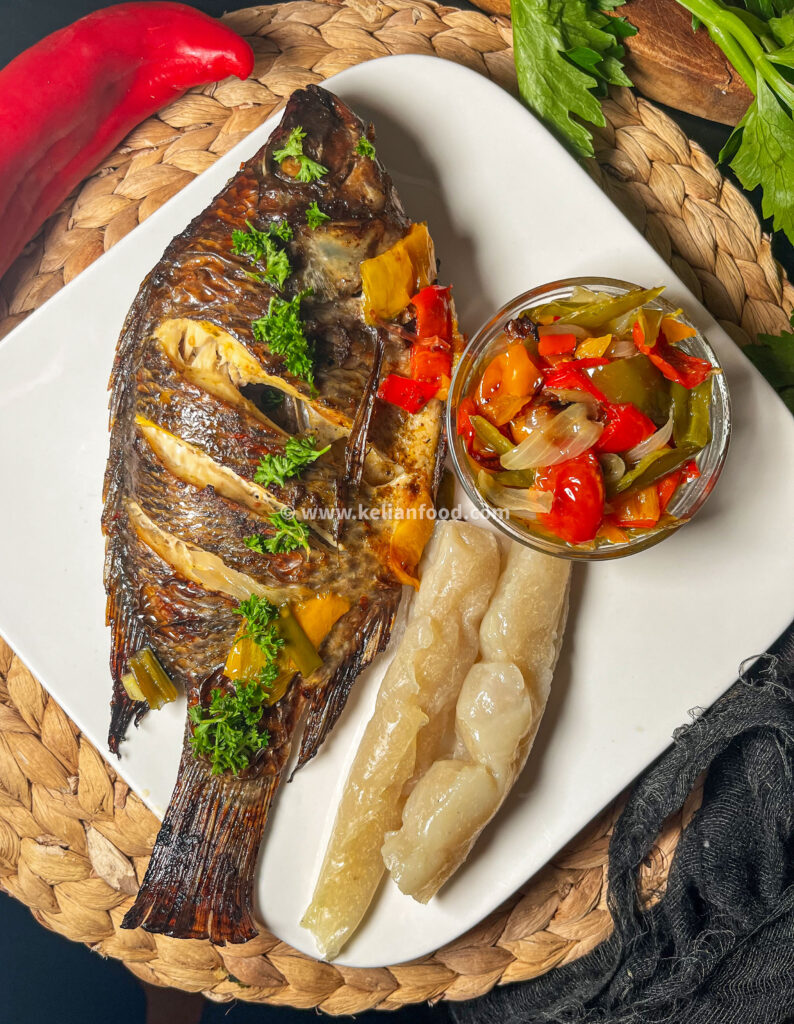
Swap deep-frying for baking, grilling, steaming, or sautéing in a tablespoon of oil. Roast plantains or sweet potato wedges instead of frying them. Grill fish with spices and lemon instead of battering.
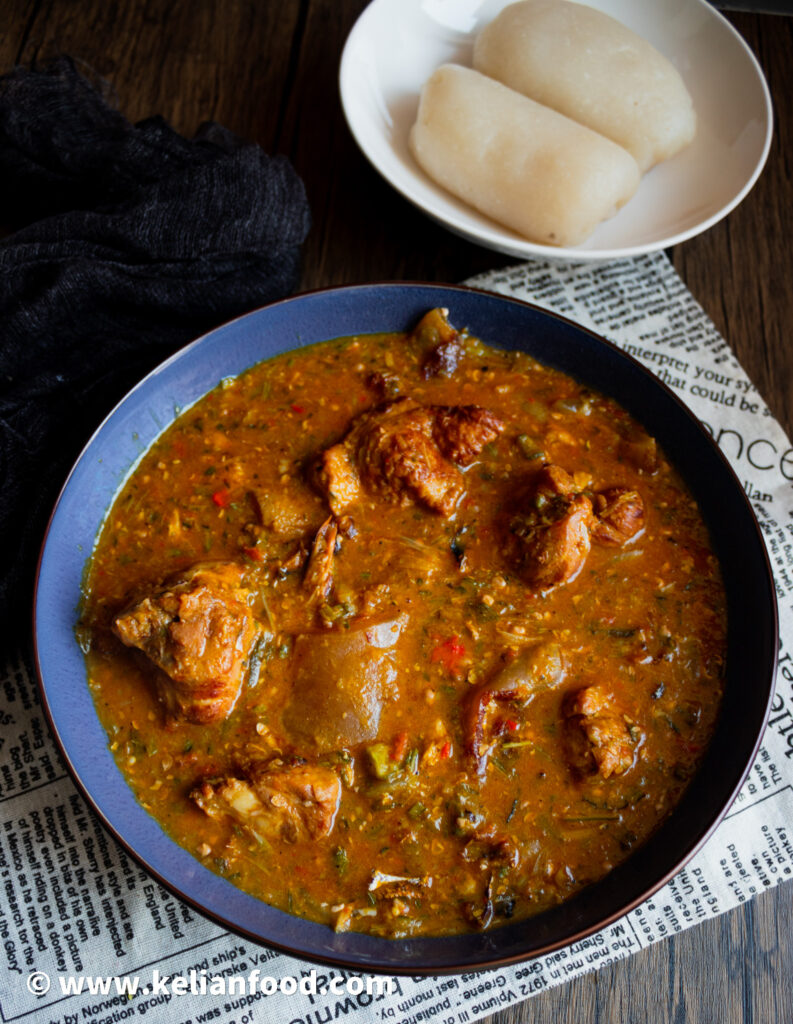
Use stews and soups with more broth and vegetables — light pepper soup or okra-based soups add volume without a ton of calories. Thicken sauces with blended vegetables or ground nuts in measured amounts.
Flavor generously with spices (curry, berbere, suya spice), fresh herbs, citrus, and vinegar to keep things delicious while reducing oil and salt. Batch-cook legumes and grains a couple of times a week to make quick, balanced meals easy to pull together.
Simple African Meal Plan for Weight Loss
Here’s something I learned the hard way: when mealtime hits and you haven’t planned ahead, you don’t eat healthy. You order something, you grab whatever’s fastest, and it’s usually not balanced at all. That’s how a good week goes sideways — not from one bad meal, but from too many unplanned ones.
Having even a loose plan changes everything. It decides out of the moment when you’re already hungry and tired. Whether you’re eating West African, East African, or specifically looking for Nigerian foods for weight loss, the plate method works across the board — you just need to plan for it.
Sample Day
- Breakfast: Fonio porridge with a tablespoon of groundnuts, sliced banana, and cinnamon.
- Lunch: Grilled tilapia, a small portion of roasted plantain, and a spicy tomato-pepper veggie relish.
- Dinner: Light pepper soup with lean chicken, a big mixed-vegetable salad, and a small boiled yam on the side.
- Snacks: Fresh fruit, a small handful of groundnuts, or yogurt.
Across the week, rotate your proteins (beans, fish, lean meat), grains (sorghum, millet, fonio), and vegetable types to keep things balanced and — more importantly — not boring.
💡 Pro tip: Batch-cook legumes and grains once or twice a week. It takes about 30 minutes and removes every excuse for ordering out on a busy night.
African Foods to Limit (If You Want to Lose Belly Fat)
You don’t need to eliminate anything — but these are worth keeping in check:
- Deep-fried foods — I love fried plantain as much as anyone. But I got honest with myself and cut it down to once a week. That one change made a real difference.
- Heavy oily sauces — use them as flavor, not the foundation of every meal
- Large portions of fufu or rice — still enjoy them, just right-sized
- Sugary drinks — sweetened zobo, sodas, bottled juices — silent calorie bomb
These are high-calorie choices that can quietly stall your progress if you’re not paying attention. You don’t have to cut them out forever — just be intentional about when and how much.
Frequently Asked Questions
Is eating African food healthy?
Yes — traditional African food is generally very healthy. It’s based on whole ingredients like legumes, vegetables, whole grains, and lean proteins. The issue isn’t the food itself but how it’s prepared and portioned. Fried dishes, heavy oil, and oversized carb portions are what tend to cause problems — not the cuisine as a whole.
What Nigerian food reduces belly fat?
Several Nigerian foods are great for reducing belly fat: beans (black-eyed peas, brown beans), grilled fish like tilapia or mackerel, okra soup made with minimal oil, unripe plantain, and leafy vegetables like ugu (fluted pumpkin leaves). These are high in fiber and protein, which help control hunger and support fat loss over time.
Is African food good for weight loss?
Absolutely. African food is built on ingredients that naturally support weight loss — fiber-rich legumes, vegetables, whole grains, and lean proteins. The key is balance: controlling carb portions, reducing cooking oil, and making protein and vegetables the stars of your plate. A well-structured African diet plan can be just as effective as any other approach.
Which swallow is good for weight loss?
Unripe plantain fufu and oat swallow are the best swallow options for weight loss. They have a lower glycemic index than regular fufu, eba, or pounded yam, which means they don’t spike blood sugar as sharply and keep you fuller longer. That said, portion size still matters regardless of which swallow you choose — pair a moderate serving with plenty of protein and vegetables in your soup.
Is yam good for weight loss?
Yes — yam can absolutely be part of a weight loss diet in the right portions. Boiled or roasted yam has a lower glycemic index than refined carbs and provides fiber that helps with satiety. The problem is usually portion size and preparation: fried yam or large servings quickly add up. A moderate portion of boiled yam paired with protein and vegetables is a solid, balanced choice.
The bottom line: if you’re looking for the best African meals for weight loss, you don’t need to look outside your own cuisine. With the right balance and a few smart swaps, African food can be one of the most effective ways to lose belly fat — because it’s already built on real, whole ingredients you actually enjoy eating.
Start simple. Build your plate intentionally. Plan ahead so you’re never caught off guard at mealtime. That alone will change everything.
Thank you so much for reading all the way to the end — it genuinely means a lot. 🙏 If this article helped you, save it on Pinterest so you can come back to it anytime, and share it with someone who needs to hear this. The more we normalize eating African food and feeling good in our bodies, the better.
And if you want to keep going, here are a few articles to read next:
👉 20 African Foods High in Protein You Should Know
👉Healthy African food: How to Build a Balanced African-Inspired Plate
👉Can You Get Enough Protein from African Plant Foods?
About the Author
I’m the creator of Black Culture Recipe — a site dedicated to African food, real nutrition, and making healthy eating feel natural rather than restrictive. I lost 13 kg — including belly fat — without giving up a single African dish I love. No extreme diets, no cutting out the food I grew up with — just learning to eat it smarter. Everything I share here comes from personal experience, not theory.